
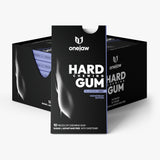
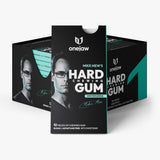
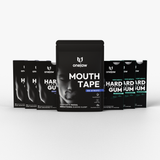
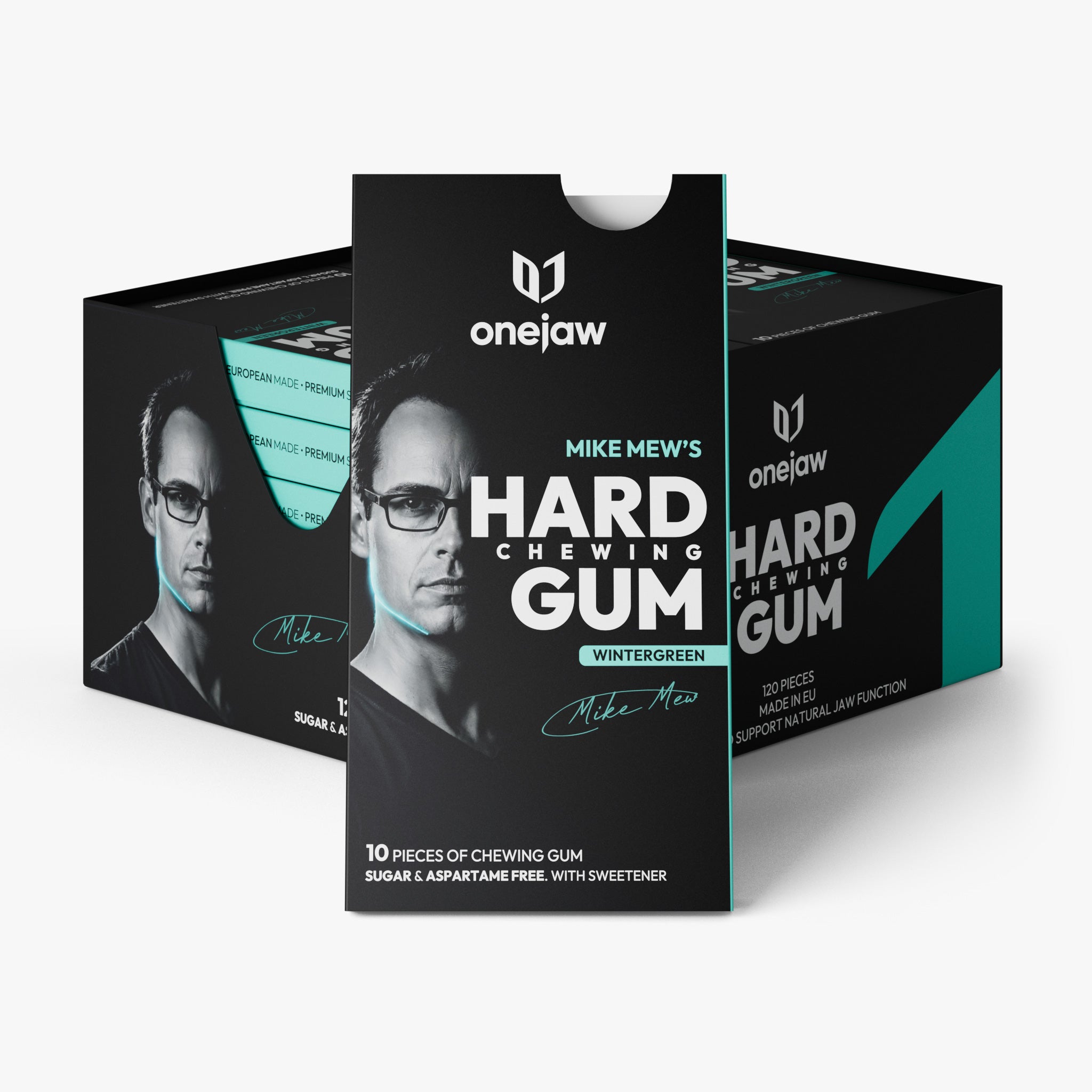

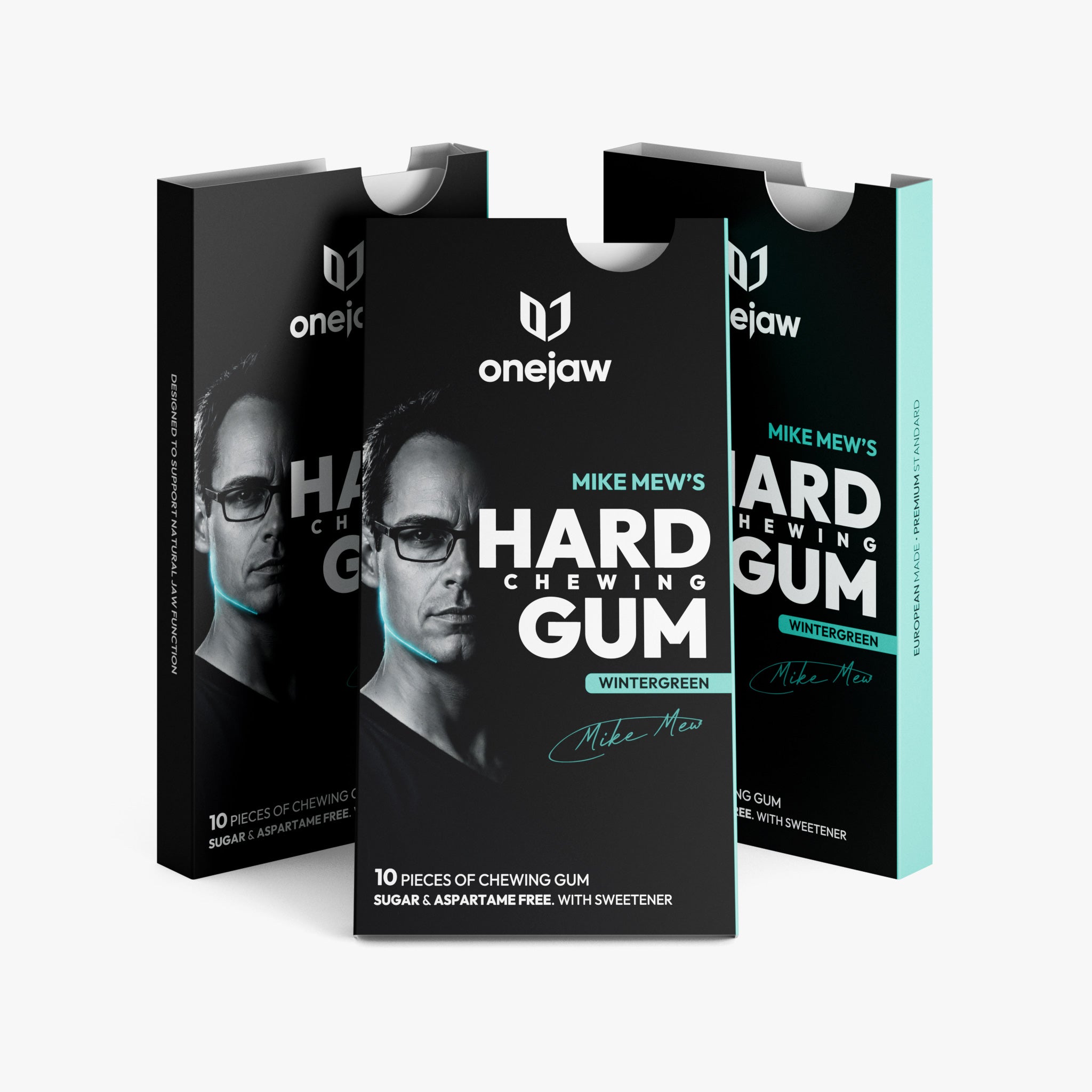
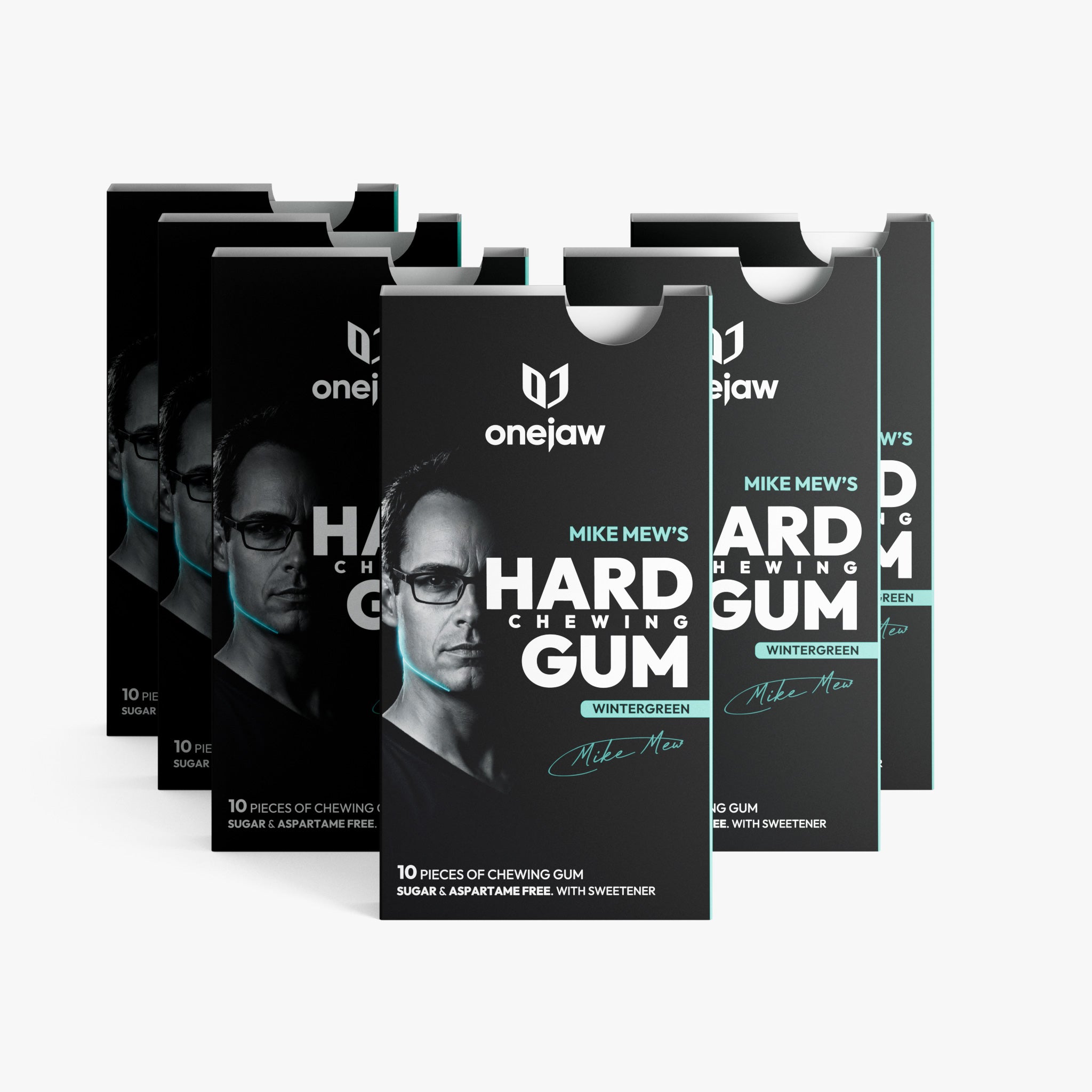
Mike Mew Edition Hard Jawline Gum
The first bite is moderate on purpose, and from minute five to minute sixty the resistance stays the same.
Flavor:Wintergreen
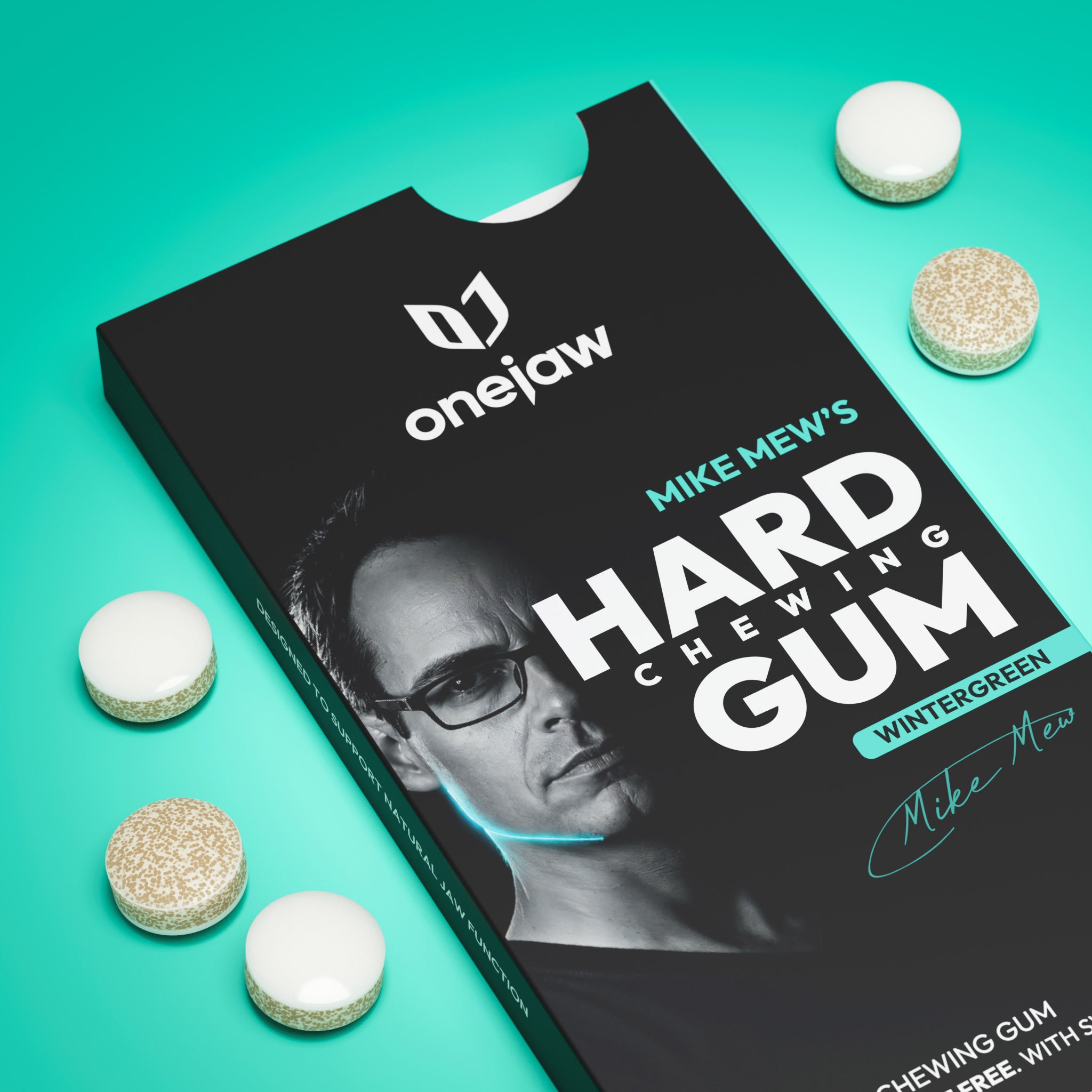
The Mike Mew Edition, in wintergreen.
It's not just hard gum. Calibrated resistance that holds its mass and bite for your entire session. Training for the only muscles everyone sees.
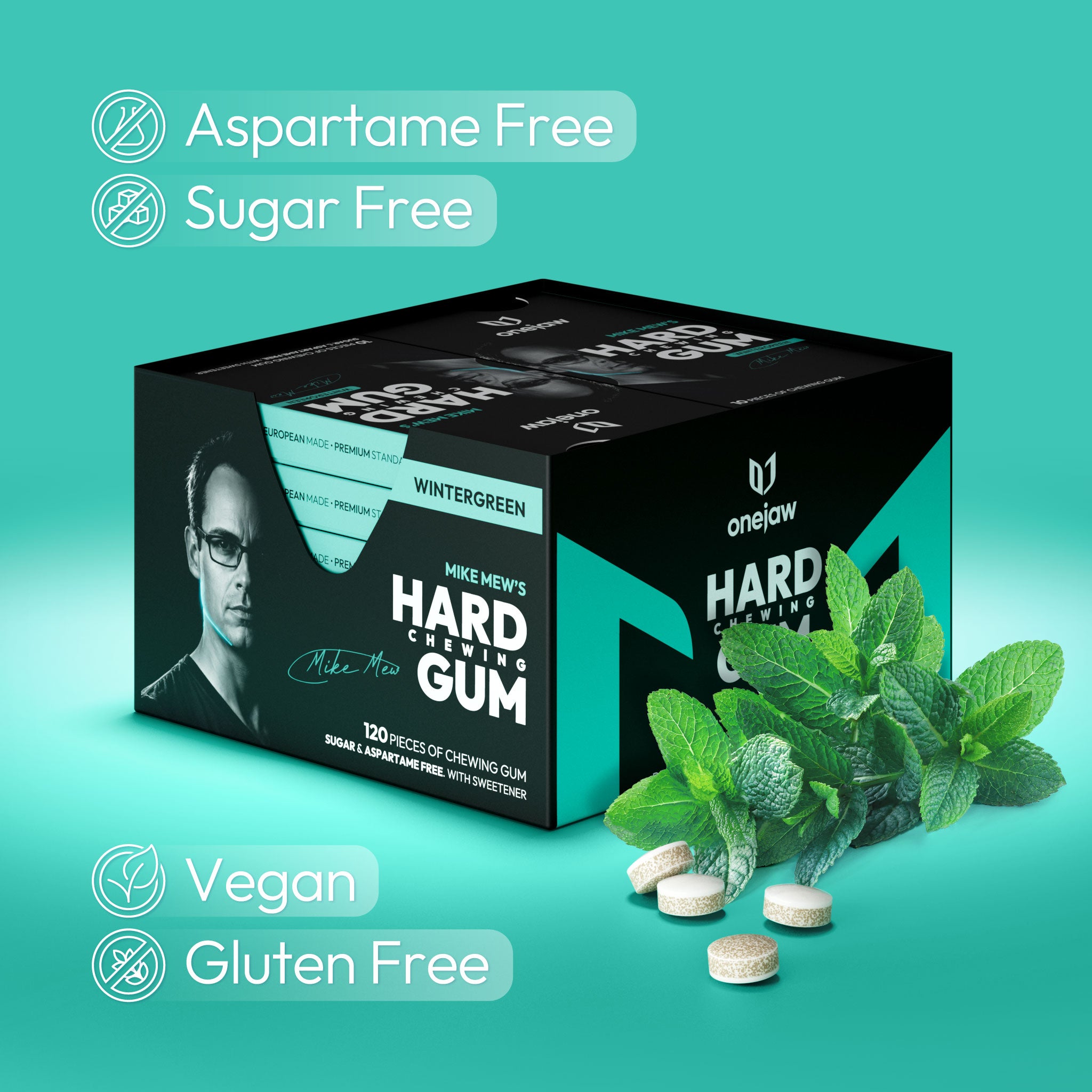
- Holds mass & flavorfirst chew to last, never chews down to nothing
- Never stickybraces-safe
- Sugar & aspartame freetooth friendly
- Made in Denmarkusing cold-compressed technology
Co-created with Mike Mew, not an endorsement.
-
Addictive. The texture of this gum is amazing. It's really comfortable to chew on with enough substance that actually feels like youre working your mouth.
Meir CynamonVerified buyer
-
Seeing Results after first pack, I had a decent jawline but noticing more definition. Received compliment from a friend about my jawline saying it looked more "defined" without mentioning using this product. Taste is pretty good too.
NoahVerified buyer
-
This is an excellent product. The onejaw gum tasted nice, kept its chewyness, and will be my go-to gum into the future. Also, cool pack!
David KorowiczVerified buyer
4.59 average across 44 reviews
HOW TO CHEW ONEJAW.
The force should rise only as the teeth come together.
What you are seeing
Don’t. Resistance at 8 to 10 mm, the jaw stops short.
Do. Easy close, then the squeeze, almost teeth together.
Alternate sides so the work stays symmetric.
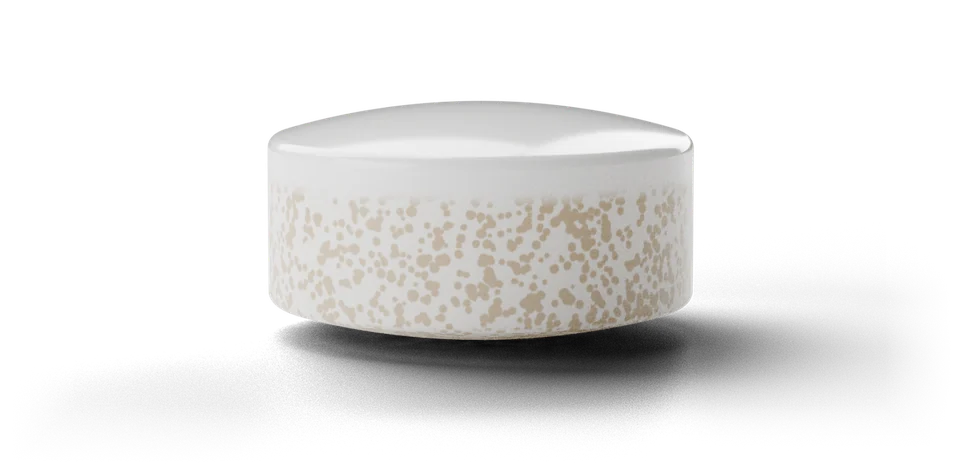
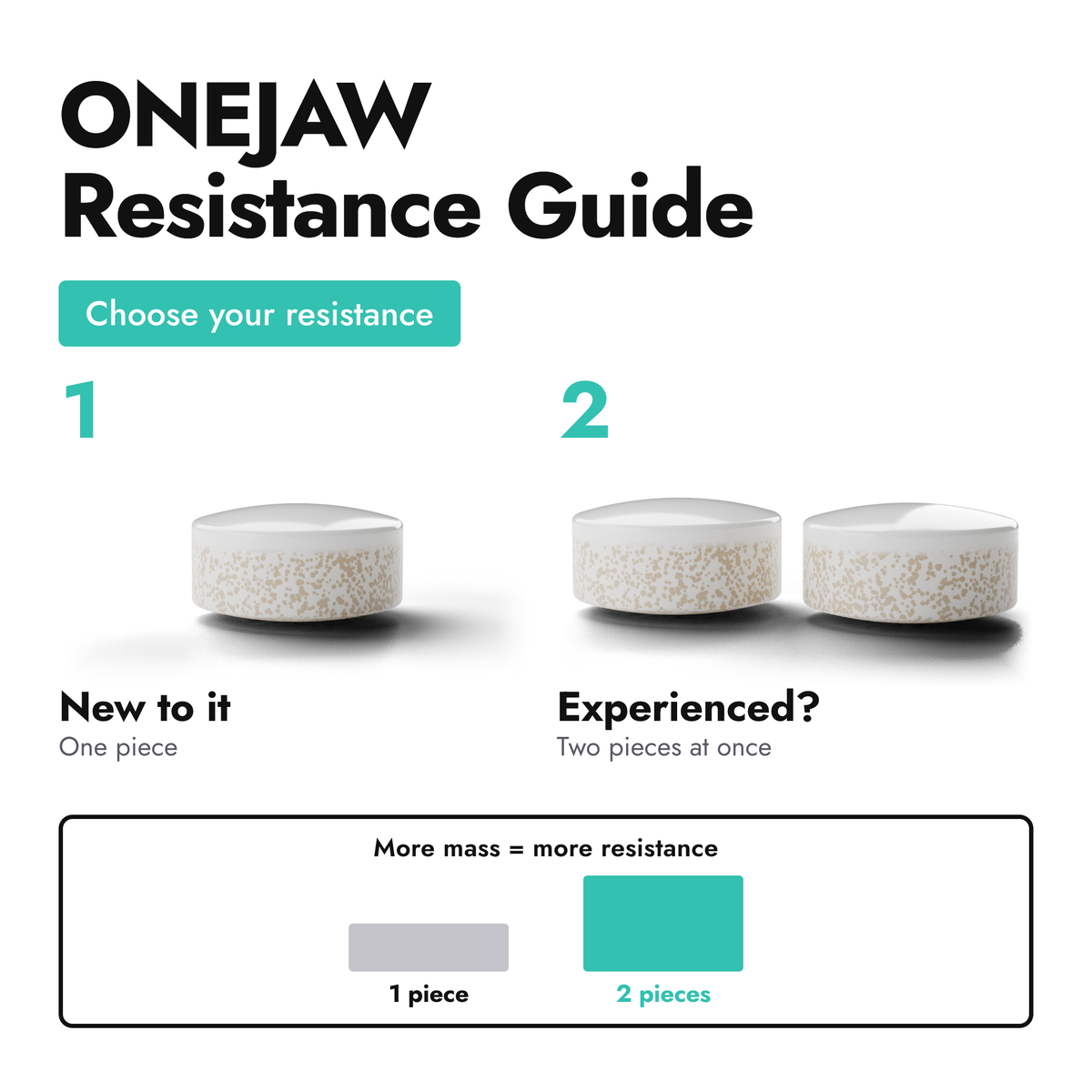
New to it.
One piece for 30 minutes, three times a day, ideally after meals.
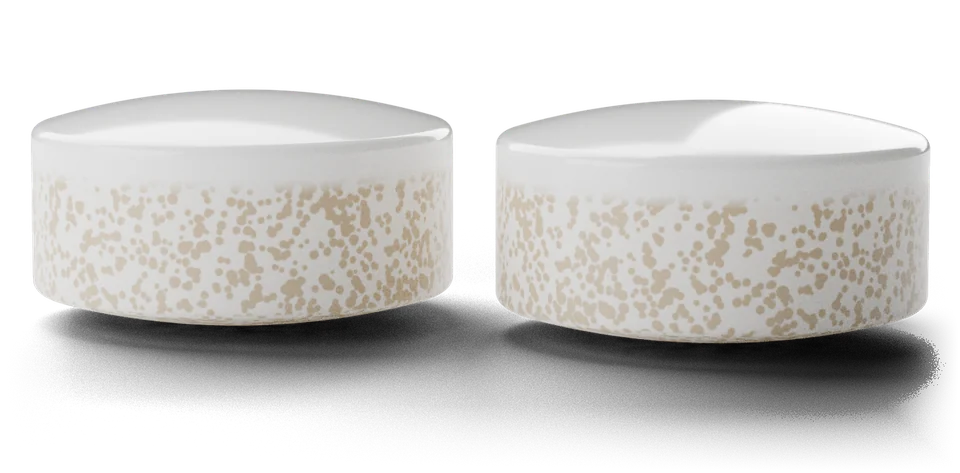
Already experienced.
Two pieces at once, same routine.
Alternate sides as you chew, so the work stays symmetric. Pain, clicking or locking at the jaw joint means stop. On two pieces, go back to one.
Delivery
- Ships within 1-2 business days
- Made in Denmark
- Fast & reliable delivery
PAIRS WELL WITH:
[ Co-created with Mike Mew ]
MIKE MEW ON HARD GUM, IN HIS OWN WORDS.
In sixty-eight seconds Mike Mew explains why a harder gum is not better for the jaw and what the resistance of ONEJAW is built for. The gum was co-created with him, and this is not an endorsement.

[ THE CASE ]
WHY CHEW ONEJAW GUM.
So your jaw can hold itself shut
Tonus, not size. Muscles that stay engaged at rest help hold the mandible up. The tongue is attached to the jaw, so when the jaw drops, the tongue follows. Chewing builds the strength to maintain that resting posture.
So your face doesn't grow wrong
Structure doesn't go static after growth ends. Soft food and open-mouth rest can keep shaping the face over time. Correct posture provides the counter-load, and chewing gives you the strength to maintain it.
So you actually keep doing it
Thirty minutes, three times a day, after meals. It attaches to something you already do, making it easier to stick with. Not a course you finish, but a habit that becomes part of your day.
[ The ideal hardness ]
ENGINEERED FOR THE RIGHT RESISTANCE.
One gum, one hardness. The dose is what you change.
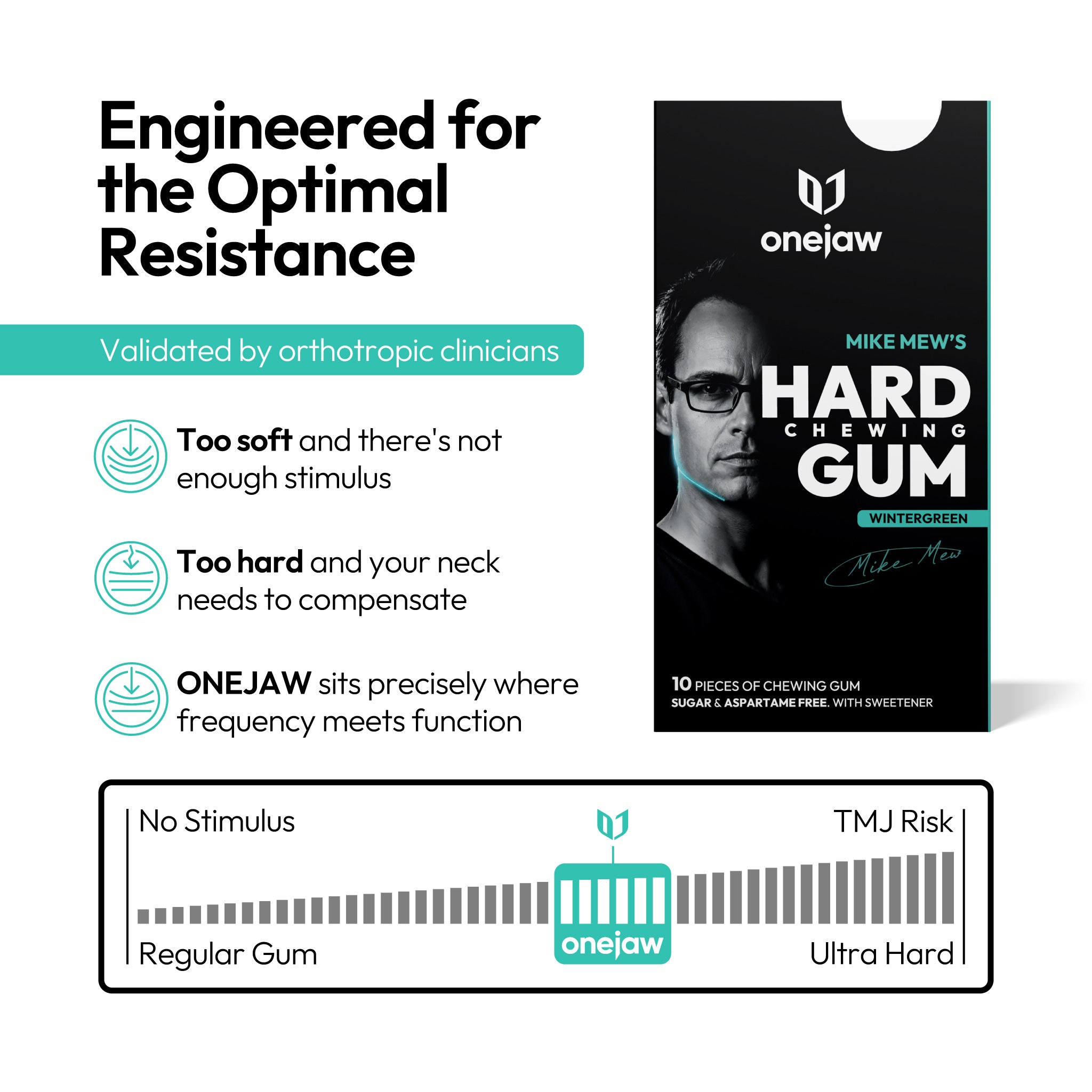
Too soft.
It collapses in seconds, so there is nothing left to work against.
Fades fast.
It has some bite at first, from additives, and it fades before the session does.
New to it.
Start with one.
Already experienced.
Chew two at once.
Too aggressive.
Past the zone, the load leaves the muscle for the jaw joint, and the neck and back compensate.
Pain, clicking or locking at the jaw joint means stop. On two pieces, go back to one.
[ The process ]
SEE THE DIFFERENCE, SIDE BY SIDE.
Switch between the two processes and watch what heat does to the structure of your gum.
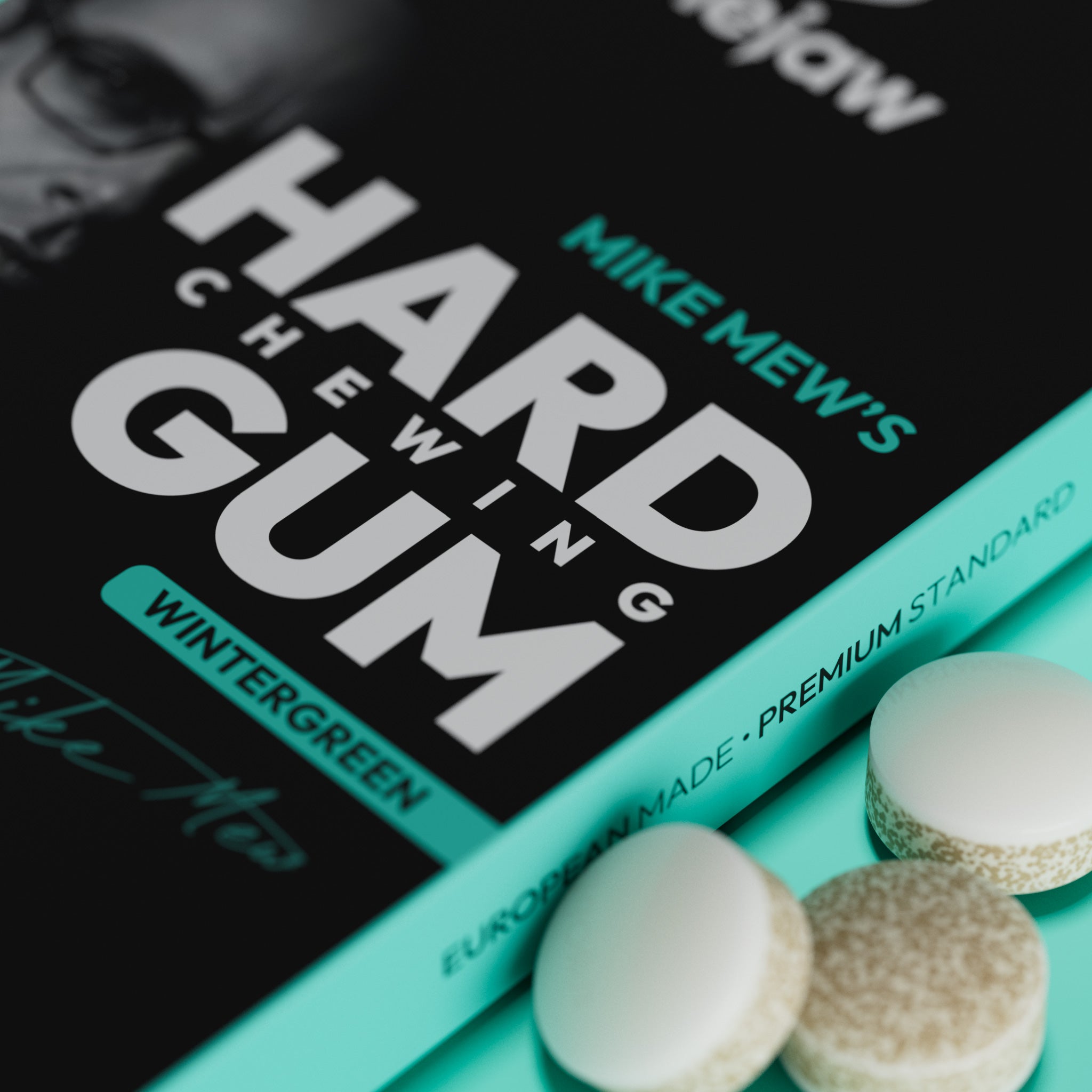
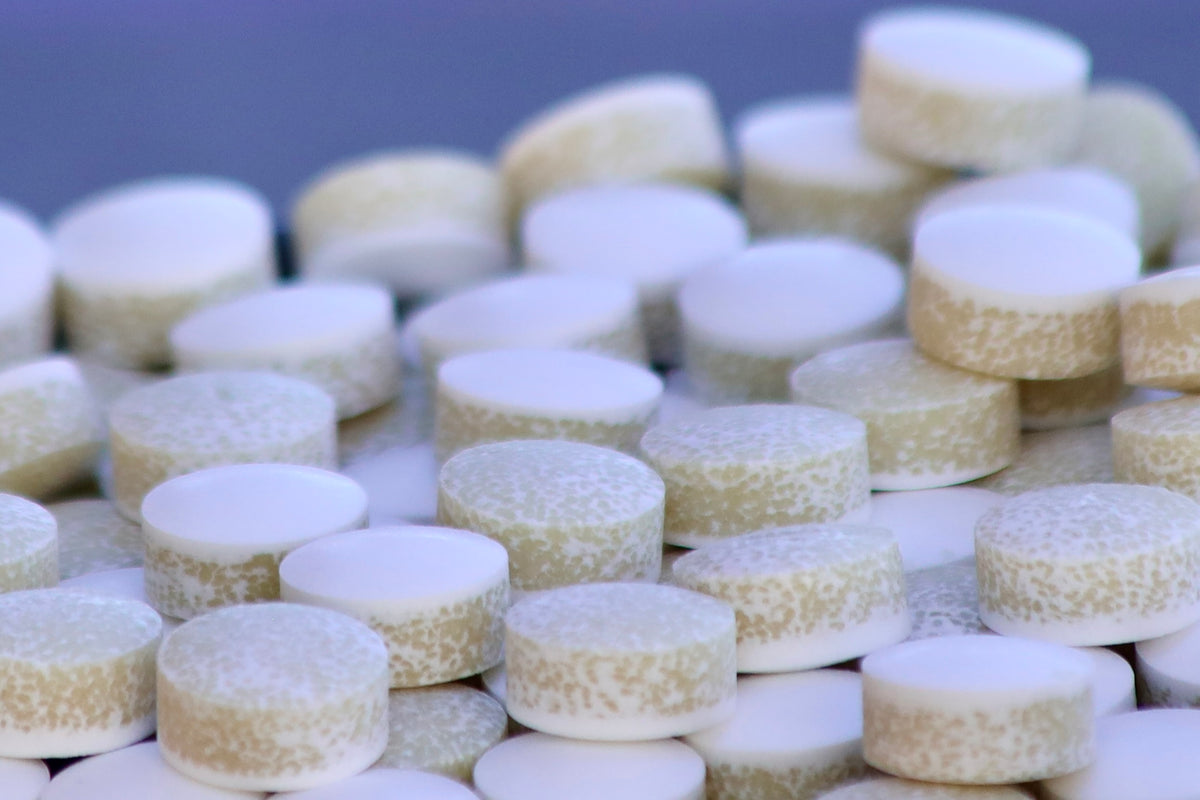
Cold-Compression
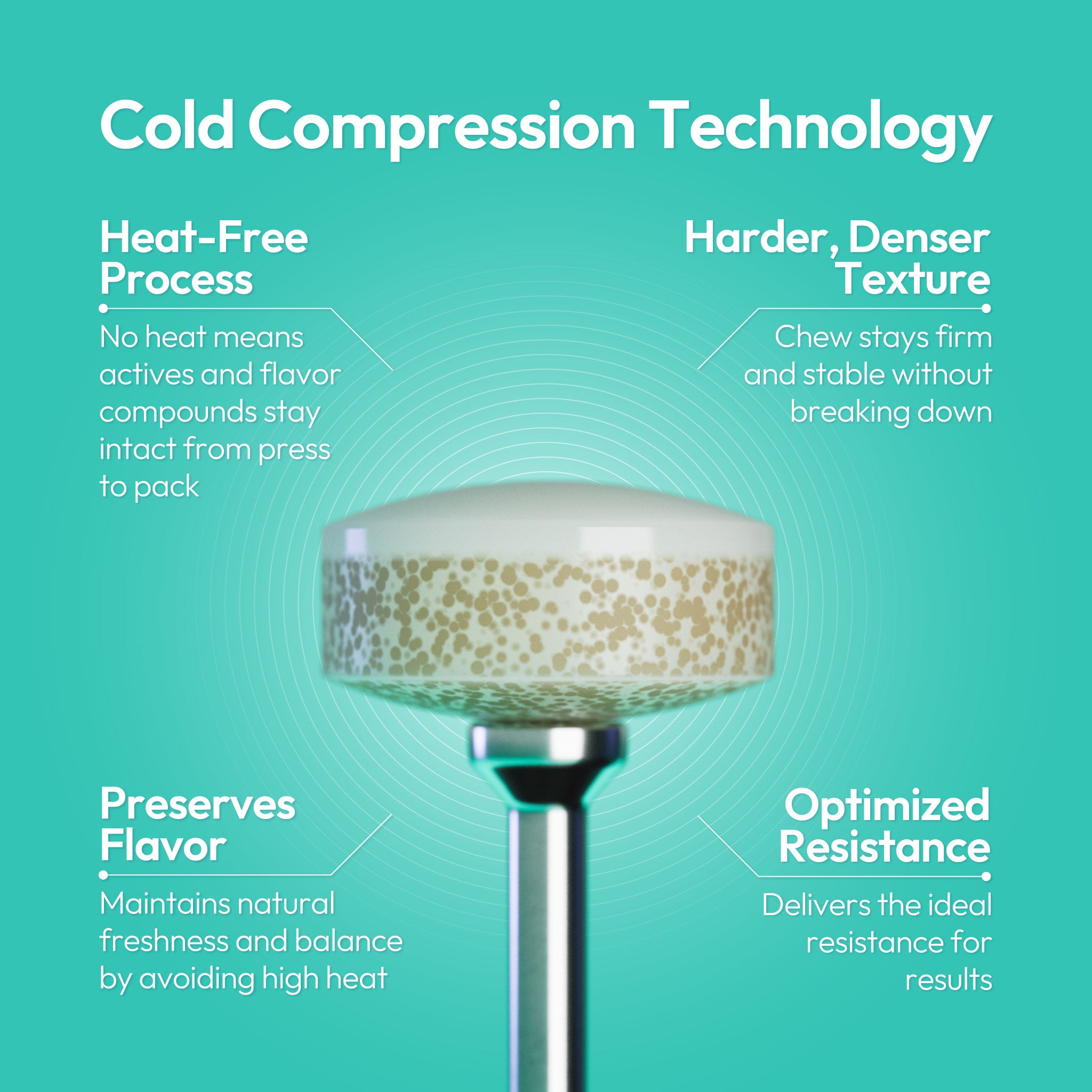
The base, blueberry mint flavor, and actives are blended at room temperature and pressed into dense tablets. No heat, no plasticizers, no artificial softeners. Keeping the structure intact means it starts firmer and holds resistance longer.
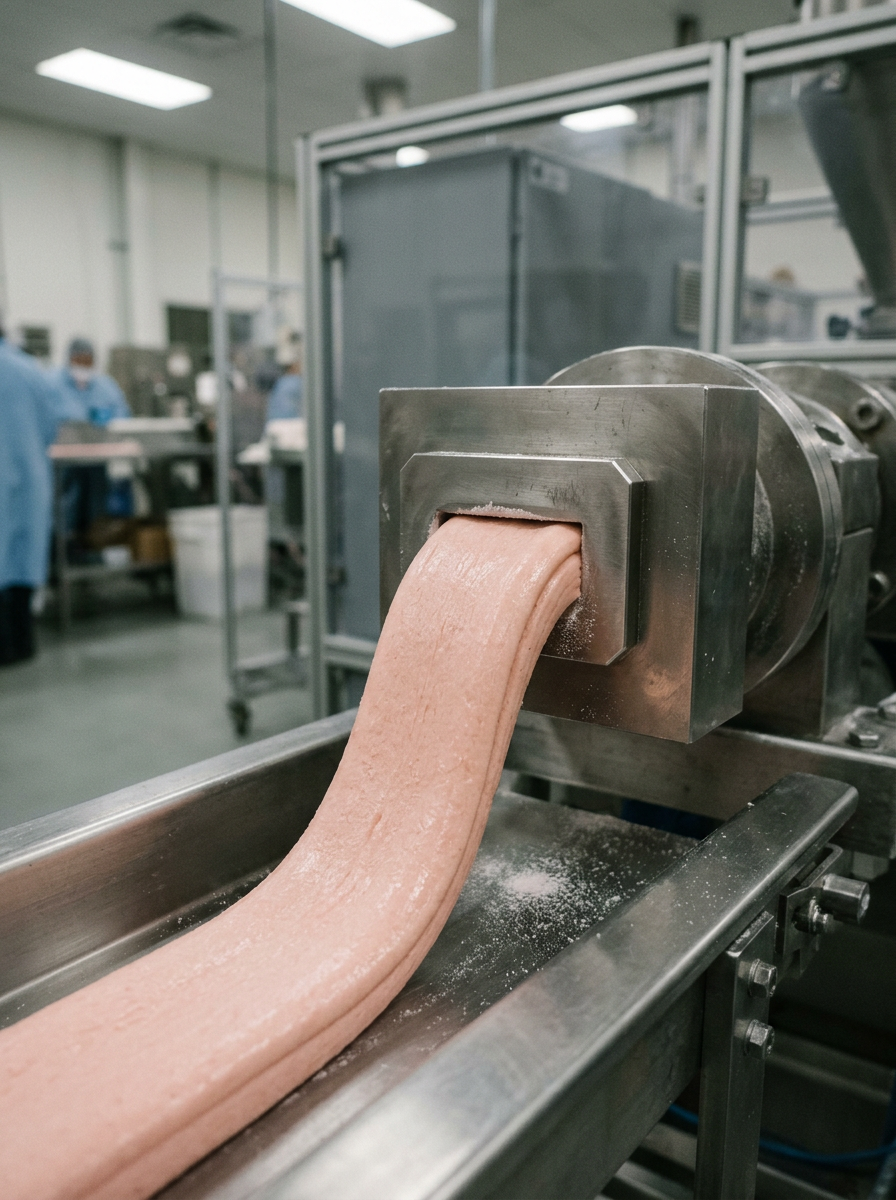
Standard Gum
Conventional gum is extruded. Heated, melted, and stretched into sheets or pellets. High heat collapses the structure, so plasticizers and artificial softeners are added back to keep it chewable. Early hardness comes from additives, not design, and fades fast.







[ The thinking behind ONEJAW ]
FAIR QUESTIONS.
What is in the gum?
Six things, in the order they sit on the pack. Tap any of them for what it is, what the rules say, and where ONEJAW stands.
[ What the rules say ]
In the EU and the US, a gum base can only be made from substances approved for exactly that job, under the EU’s food additive rules and the FDA’s chewing-gum base list.
[ Why people ask ]
It is the part nobody can picture: food-grade polymers, resins and waxes that you chew and never swallow.
[ In ONEJAW ]
Most of the piece is base, and it is what we press cold to set the resistance. Nothing is added to it to make the piece feel harder.
[ What the rules say ]
A sweetener allowed in sugar-free gum on both sides of the Atlantic, with no cap in the EU. The one rule is a label line: in the EU when a pack has more than 10 % polyols, in the US when a day’s eating could reach 50 g.
[ Why people ask ]
Polyols pull water into the gut, so a lot of them in one sitting can loosen the stomach. That is where the label line comes from.
[ In ONEJAW ]
A piece holds a fraction of a gram, and three pieces a day stay a long way from that 50 g line. You would need dozens of pieces in a single day, more than 50, to get anywhere near it.
[ What the rules say ]
A flavouring may only be called natural when it comes from plants, animals or fermentation. The EU and the FDA both define it that way.
[ Why people ask ]
Wintergreen is a strong note, so people ask what carries it.
[ In ONEJAW ]
Natural wintergreen, a small share of the piece. The note you taste, nothing behind it.
[ What the rules say ]
A flavouring may only be called natural when it comes from plants, animals or fermentation. The EU and the FDA both define it that way.
[ Why people ask ]
“Flavourings” is a category, not a recipe, so people assume the worst.
[ In ONEJAW ]
Mint, menthol and peppermint from natural sources, a small share of the piece.
[ What the rules say ]
Approved on both sides of the Atlantic, with a daily limit set per kilo of body weight: 15 mg in the EU, 5 mg in the US, both with a wide safety margin built in.
[ Why people ask ]
It is about 600 times sweeter than sugar and made in a lab, which reads as “artificial”.
[ In ONEJAW ]
Because it is that sweet, a piece only needs a few milligrams to round off the flavour. For a 70 kg adult, ONEJAW sits over a hundred pieces away from the stricter daily limit: it would take more than a hundred pieces in one day to reach it.
[ What the rules say ]
Alpha-tocopherol is vitamin E, allowed as an antioxidant in the EU and the US without a cap in foods like this one.
[ Why people ask ]
A long chemical name on a pack, even when it stands for a vitamin.
[ In ONEJAW ]
It keeps the flavour oils fresh. A small share of the piece, the same vitamin E you find in a supplement.
No sugar, no aspartame, nothing added to make it feel harder than it is. The resistance comes from cold compression, not from the list.
Why not just chew the hardest gum possible?
Facial transformation is not driven by brute force, but by how long and how consistently the muscles work.
In discussions with leading orthotropists and orthodontists, we learned that extremely hard gums create tension in the jaw and neck, which limits effective chewing.
ONEJAW was designed with the perfect resistance to allow for the right chewing that supports overall facial development.
Isn't harder always better for muscle training?
Not for this muscle group. Jaw tone is endurance, closer to posture than to a bench press. High repetition against moderate resistance builds it; occasional maximal effort mostly builds soreness.
How long until I notice anything?
Weeks, not days. Most people feel the muscles working in the first sessions and notice tone changes over 4–8 weeks of daily use. Slow is the honest speed. Anyone promising days is selling you something.
Why would chewing more frequently matter?
Because facial muscles respond to consistent, controlled use, not single hard efforts.
Chewing more times keeps the muscles active for longer, building endurance and tone, which supports facial structure more effectively than a few hard bites.
Is it safe for my jaw joint (TMJ)?
The protocol is built around the joint: vertical chewing, calibrated resistance, and clear stop signals, pain, clicking, or locking. Thirty minutes is the baseline session; beyond that, your jaw sets the limit. No pain, no clicking, no locking: keep going. Any of those: stop. If you have an existing TMD, check with your dentist before starting.
Something else on your mind? Ask us directly